The Japanese resume photo, explained for foreigners
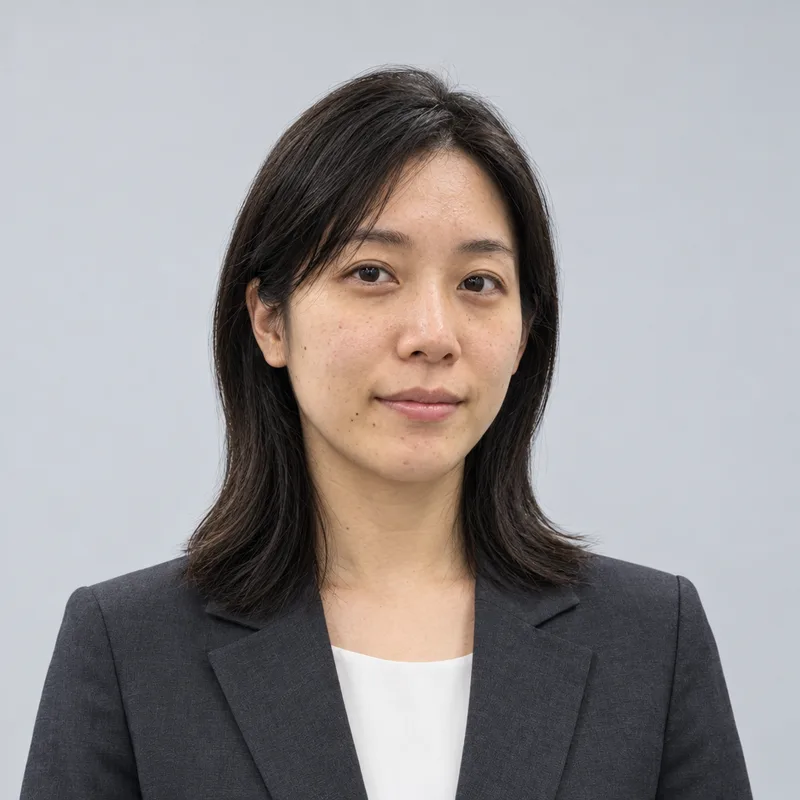
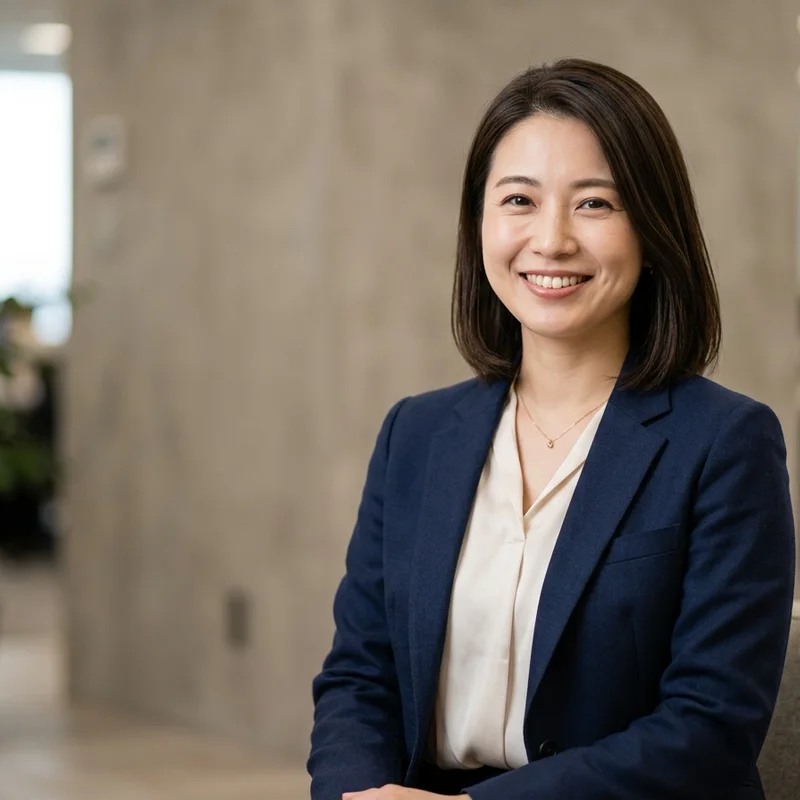
Recommended style: Job-hunting portrait (就活写真)
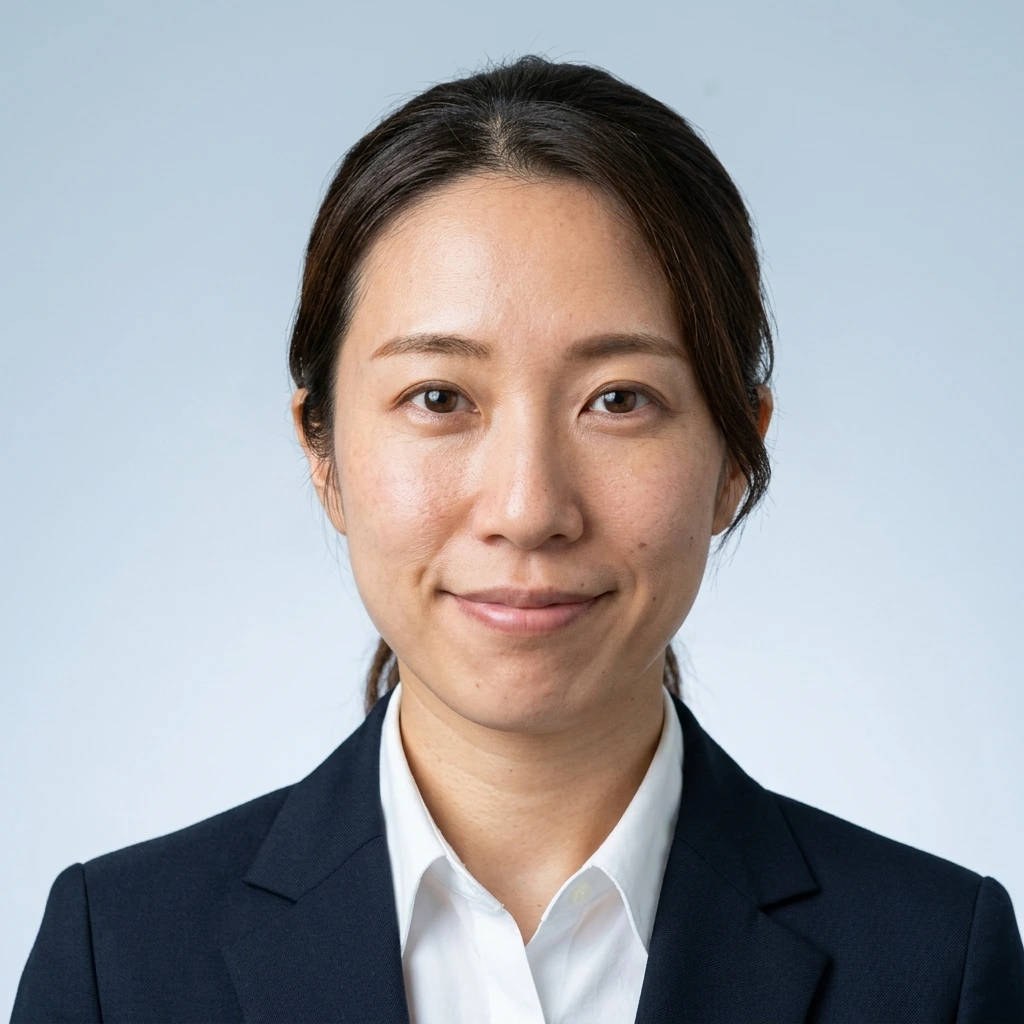
Most Japanese companies still expect a photo on the rirekisho (履歴書), and they read it as part of your application. Here is what it should look like, and how to get one without booking a studio.
What Japanese employers expect
- Size: the Ministry of Health, Labour and Welfare's sample rirekisho marks the photo box 36–40 mm tall × 24–30 mm wide, chest up, glued on the back; most people use 40 × 30 mm. For online forms, a JPEG in the same 3 : 4 portrait shape.
- Recent: job sites commonly say taken within the last three months, and it should match how you look at the interview.
- Background: plain white, light blue or light grey, without shadows.
- Pose: facing the camera, shoulders square, a neutral face or a small closed-mouth smile.
- Clothes: a dark suit and white shirt is the safe default; a tie for men. Hair off the face.
Why the photo matters more than you might expect
In many countries a resume photo is unusual or even discouraged. In Japan the rirekisho has a photo box. The government's sample form (2021) labels it "if a photo is required", and most employers still ask for one: leaving it empty or filling it with a casual snapshot reads as not taking the application seriously.
For a foreign applicant, a conventional Japanese-style photo also signals that you understand Japanese business manners, which is often exactly what the hiring manager is unsure about.
Paper rirekisho, online forms and English CVs
- Paper rirekisho: print the photo at ID size, attach it to the box, and write your name on the back in case it comes loose.
- Online applications (company job portals, job sites, recruiters): upload the JPEG; check the file-size limit.
- English CV for a foreign-affiliated company: a photo is often optional. Follow the job posting. Many applicants send both, and the photo goes on the rirekisho.
Can you use an AI-made photo on a resume?
There is no rule against it for private-sector job applications. What matters is that it is clearly you: the interviewer will compare the photo with the person in the room or on the video call.
fotoya keeps your face from your selfie and changes the setting: background, light and outfit. Pick the version that looks most like you on a good day, not the most flattering one.
If an employer, school or licensing body asks for an unedited photo, or for a photo that follows government ID rules, use a photo booth instead (see ID photos in Japan).
How to get one with fotoya
- Take a selfie facing a window: even light, face straight on, hair off your face. No need to change: the job-hunting, career-change and business styles dress you in a suit or jacket.
- Upload it on the home page and pick the Job-hunting portrait (就活写真) if you are a new graduate, or the Career-change résumé photo (転職写真) if you have work experience.
- Check the free, watermarked preview of your own face before paying.
- Pay ¥800 and download four versions. No account needed.
Questions
What size is a Japanese resume photo?
The government's sample rirekisho gives 36–40 mm tall × 24–30 mm wide; in practice most people use 40 × 30 mm. The photo shows you alone from the chest up, face centred.
Should I smile in a Japanese resume photo?
A neutral face or a small closed-mouth smile. A big open smile reads as too casual for most Japanese companies.
Do I need a photo on an English CV?
Usually not, unless the job posting asks for one. The photo belongs on the Japanese rirekisho, which many companies ask for even when you also send an English CV.
Can I pay without a Japanese credit card?
Yes. fotoya takes international cards, Apple Pay and Google Pay, as well as Japanese options like konbini payment, Paidy and Pay-easy.
Free watermarked preview of your own face first. No account.
Upload a selfie